Water is one of the leading causes of deterioration in asphalt surfaces. For homeowners and property managers on Brisbane Southside, protecting an asphalt driveway or bitumen driveway from moisture intrusion is essential to extending service life, minimising maintenance costs, and avoiding costly asphalt resurfacing or full-depth reconstructions. This article outlines practical, evidence-based steps you can take in 2026 to prevent water damage, including surface care, drainage solutions, materials considerations, and when to engage a qualified contractor for repairs or resurfacing.
Why water damages asphalt
Understanding the mechanisms of water damage helps prioritise preventive actions. Key ways water harms asphalt include:
- Loss of binder and cohesion: Water can penetrate micro-pores and oxidise the bitumen binder, causing the asphalt to become brittle and prone to cracking. Freeze–thaw cycles: Although Brisbane Southside has a subtropical climate with limited freezing, seasonal temperature swings and trapped moisture still accelerate deterioration, especially in shaded and poorly drained areas. Undermining of base material: Persistent water infiltration weakens the aggregate base beneath the asphalt, leading to depressions, potholes, and edge collapse. Vegetation and root intrusion: Moisture encourages plant growth and root expansion under edges and cracks, which amplifies structural damage.
Key prevention strategies for Brisbane Southside driveways
Preventive maintenance combines good design, regular inspection, and timely repairs. The following actions are practical for residential and small commercial properties in Brisbane Southside.
1. Ensure proper drainage
Drainage is the single most important factor in preventing moisture-related asphalt failure. Consider these measures:
- Correct slope and fall: Surfaces should slope away from buildings and concentrate runoff into approved stormwater paths or drains. The typical recommendation is a minimum slope of 1–2% (10–20 mm per metre) where feasible. Install or clear gutters and channels: Edge drains, grated channels, and property swales must be free of debris so water is carried away from the pavement edge and base. Use durable drainage materials: In high-flow areas, select concrete or polymer concrete channels and quality grates to avoid premature deformation that traps water.
2. Maintain surface seals and joints
Surface sealing and joint management keep water out of cracks and base material. For bitumen driveways and bitumen carpark surfaces consider:

Crack sealing: Seal transverse and longitudinal cracks with hot-pour or high-quality polymer-modified sealants as soon as they appear. Sealing prevents water ingress, which reduces base erosion and freeze-thaw stress.
Surface sealing/spraying: Periodic application of a sprayed seal or rejuvenating sealer can restore binder flexibility, fill micro-voids and improve resistance to water penetration. In Brisbane Southside, many practitioners now favour polymer-modified emulsions that enhance durability in warmer climates. Discuss material options with a local contractor to match traffic load and UV exposure.
3. Address underlying base and subgrade issues
Water often reveals itself as a symptom of deeper base issues. Preventative measures include:
Evaluate and repair pavement edges: Edge support is critical. Where edges crumble, install edge restraints, or rebuild the edge with compacted granular material before resurfacing.
Subsurface drainage: For driveways with ongoing saturation, consider French drains, slotted pipes with adequate fall, or geotextile-wrapped drainage to divert groundwater away from the pavement base.
4. Routine cleaning and vegetation control
Regular housekeeping reduces water retention and chemical attack:
Clear debris: Remove leaves, soil, and garden mulch that trap moisture and hold it against the asphalt surface.
Control plant growth: Keep grass and shrubs trimmed away from pavement edges; remove invasive roots that can lift and crack the surface.
5. Monitor traffic and load considerations
Excessive or concentrated loads accelerate moisture-related failure. If you park heavy vehicles regularly, strengthen the pavement by increasing asphalt thickness during resurfacing, or create dedicated heavy-vehicle areas with reinforced surfacing.
When to repair versus resurface
Timely decisions save money. Typical guidance:
Minor cracking and isolated potholes: Crack sealing and localized patching are cost-effective when defects are limited and the base is stable. Extensive cracking, rutting, or multiple potholes: Consider asphalt resurfacing (overlay) when the structural capacity is adequate but the surface is extensively deteriorated. A 25–40 mm hotmix overlay is common for residential driveways, while thicker overlays suit heavier loads. Severe subgrade failure: Full-depth reconstruction is required when the base is eroded or the surface repeatedly fails after repairs. This prevents repeated repair cycles and reduces long-term cost.Material and contractor considerations in 2026
As of 2026, material technologies and industry practices continue evolving. When planning maintenance or resurfacing on Brisbane Southside, consider:
Polymer-modified binders: These binders improve flexibility and resistance to rutting and cracking in warm climates. Many reputable contractors offer options using such binders for overlays and prone areas.
Cold-mix versus hot-mix: Hot-mix asphalt provides superior density and longevity compared to most cold-mix products; use hot-mix for resurfacing and heavy-traffic areas. Cold-mix can be suitable for temporary or patch repairs.
Permeable alternatives: Where stormwater infiltration on private property is desired (and compliant with local council requirements), consider permeable asphalt or porous paving systems. These require designed sub-base drainage and regular maintenance to prevent clogging.
Choosing a contractor: Hire contractors experienced with local Brisbane Southside conditions. Verify licences, ask for references and examples of recent asphalt resurfacing or bitumen carpark projects, and confirm warranties on workmanship and materials.
Inspection and maintenance schedule
Follow a simple schedule to catch issues early and reduce water damage risk:
- Quarterly: Visual inspection for new cracks, pooling water, vegetation growth and drain blockages; clear debris and guttering. Annually: Perform crack sealing and surface cleaning; check edges and reapply surface sealer or rejuvenator if recommended by your contractor (typical reapplication intervals vary from 2–5 years depending on product and traffic). After major storms: Inspect for new potholes, undermined areas and drainage failures; arrange prompt repairs to prevent progressive damage.
Compliance and local considerations
Property owners on Brisbane Southside should be aware of local stormwater management expectations set by Brisbane City Council and Queensland regulations. While private driveways generally fall under owner responsibility, any changes to stormwater discharge paths, property drainage works, or construction affecting public verges may require council approval or compliance with council technical specifications. When in doubt, contact council or consult a qualified contractor to ensure your drainage modifications meet current requirements.
Cost-effective tips
Protect your investment without overspending:
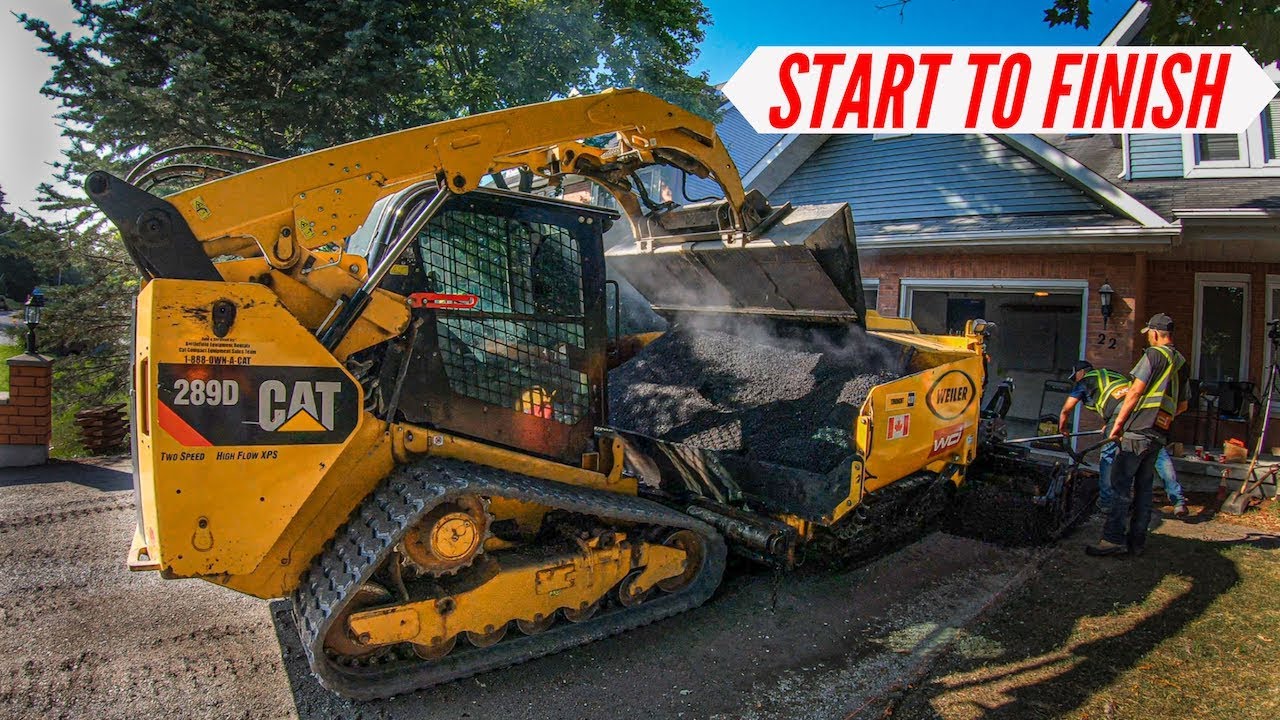
Act early: Small crack sealing and drainage fixes are far cheaper than full-depth repairs or resurfacing.
Prioritise drainage: Simple grading and clearing drains often solve recurring issues and extend the life of any new surface.
Group work: If several properties in a street need similar upgrades, some contractors offer reduced rates for combined projects—useful for shared access areas or small strata blocks.
Summary
Preventing water damage on an asphalt driveway or bitumen driveway in Brisbane Southside requires thoughtful drainage design, timely surface maintenance, proper materials selection, and prompt repairs. Regular inspections, crack sealing, edge protection, and ensuring good sub-base drainage are the most effective steps to avoid premature failure and costly asphalt resurfacing. For significant or recurring problems, engage a licensed local contractor to assess subgrade conditions and recommend durable solutions, including options for bitumen carpark areas or permeable paving where appropriate. Taking these steps https://asphaltdrivewaysbrisbanesouthside.com.au/contact/ in 2026 and beyond will help protect your pavement investment and keep your driveway serviceable for years to come.
Asphalt Driveways Brisbane Southside
Unit 5/30 McKechnie Dr, Eight Mile Plains QLD 4113, Australia
ph. (07) 3132 3631