For small to medium-sized enterprises (SMEs) across Brisbane Southside, a well-planned and professionally constructed bitumen carpark is more than just a convenience; it is a critical asset. As we navigate 2026, the demands on commercial properties continue to evolve, with increased expectations for accessibility, safety, and environmental responsibility. A robust bitumen carpark enhances your business's curb appeal, provides safe access for staff and customers, and can significantly impact operational efficiency. This comprehensive checklist provides Brisbane Southside SMEs with the essential steps and considerations for planning a new bitumen carpark or undertaking significant asphalt resurfacing.


1. Initial Site Assessment and Feasibility in 2026
Understanding Your Needs and Site Conditions
The foundation of any successful carpark project begins with a thorough understanding of your specific requirements and the unique characteristics of your site. In 2026, this involves a detailed analysis of projected traffic volume, the types of vehicles that will use the carpark (cars, delivery vans, heavy trucks), and peak usage times. Crucially for Brisbane Southside, a geotechnical investigation is indispensable. The region's diverse geology, from alluvial plains near the river to more stable shale formations, dictates the necessary sub-base preparation. Understanding existing ground conditions, soil stability, and potential for reactive soils (common in parts of Brisbane) is paramount to prevent future structural issues like cracking or subsidence in your asphalt driveway.
Budgeting and Financial Planning
Effective financial planning is key. Your budget must encompass all cost components, including initial site clearing, earthworks and excavation, base preparation (which can be substantial for a durable bitumen driveway), the supply and laying of bitumen layers, drainage infrastructure, line marking, signage, and any associated landscaping or lighting. As of 2026, material costs for aggregates and bitumen can fluctuate, influenced by global supply chains and local demand. It is wise to allocate a contingency fund, typically 10-15% of the total project cost, to account for unforeseen challenges, especially with ground conditions. Consider the long-term return on investment; a high-quality carpark requires less frequent maintenance and repair, saving costs over its lifespan.
Preliminary Regulatory Scan
Before any significant investment, conduct a preliminary scan of Brisbane City Council's planning schemes and local overlays relevant to your Brisbane Southside location. This initial check helps identify potential constraints such as flood-prone areas, heritage overlays, or specific requirements for stormwater management. In 2026, there is an increased emphasis on sustainable urban development, meaning early consideration of environmental impacts and compliance with local council guidelines for water quality and runoff is vital.
2. Design and Engineering for Optimal Performance
Layout and Traffic Flow Efficiency
A well-designed carpark prioritises safety and efficiency. The layout must accommodate smooth traffic flow, clear entry and exit points, and adequate turning radii for all expected vehicle types. Parking bay dimensions should comply with Australian Standards AS/NZS 2890.1:2004 (Parking facilities – Off-street car parking) and AS/NZS 2890.6:2009 (Parking facilities – Off-street parking for people with disabilities), which saw minor updates in early 2026 to reflect evolving vehicle sizes and accessibility needs. Clearly delineated pedestrian pathways, speed humps, and appropriate signage are essential for safety. For businesses in bustling Brisbane Southside areas, strategic layout can significantly reduce congestion and improve customer experience.
Drainage Solutions for Brisbane's Climate
Brisbane's subtropical climate, characterised by heavy rainfall events, makes effective drainage non-negotiable for any bitumen carpark. Poor drainage leads to water pooling, which can rapidly degrade the asphalt surface, causing potholes and premature failure. Your design should incorporate appropriate gradients, stormwater pits, grates, and subsurface drainage systems to efficiently channel water away. In 2026, environmentally conscious drainage solutions, such as permeable paving in specific areas or integrated stormwater harvesting systems, are increasingly encouraged and can even offer long-term operational benefits by reducing mains water usage for irrigation or cleaning.
Material Specifications: Bitumen vs. Asphalt
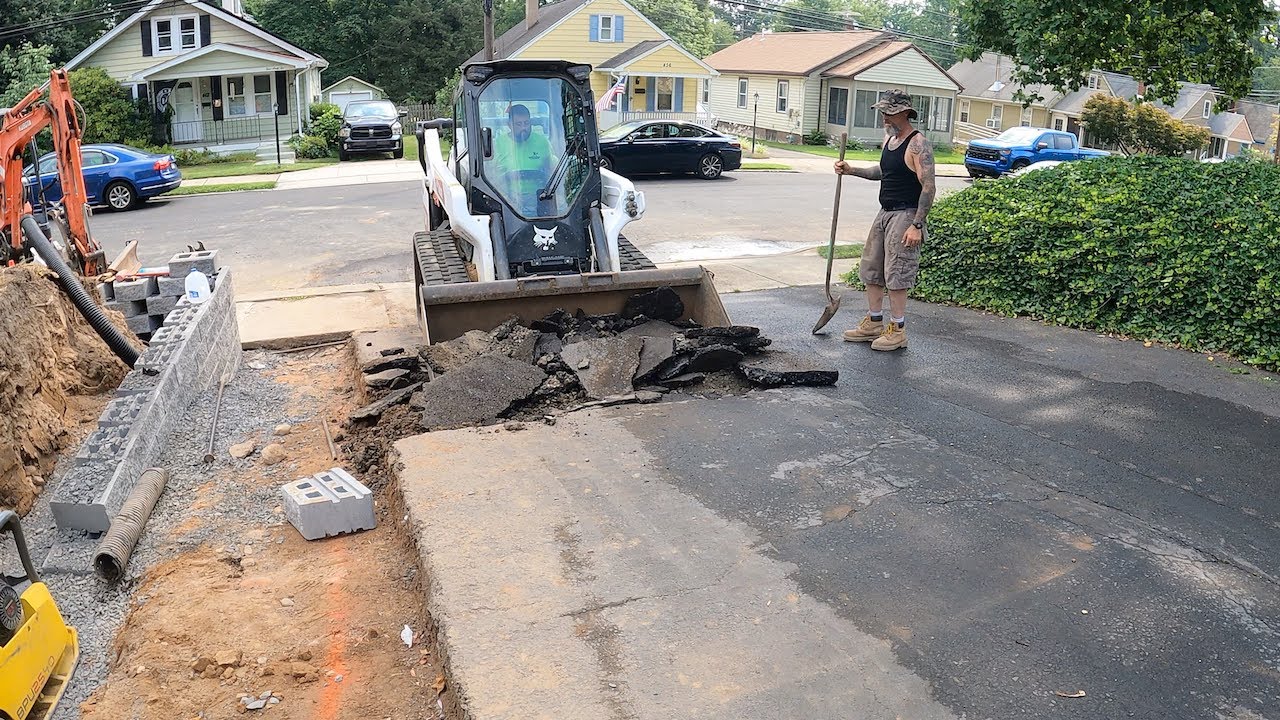
While often used interchangeably, "bitumen" refers to the binding agent, and "asphalt" is the mixture of bitumen and aggregates. For a commercial asphalt driveway or carpark, the specification of the asphalt mix is critical. This includes the type of aggregate, the bitumen content, and the layer thickness, all tailored to the anticipated traffic load. A qualified engineer will specify the optimal pavement design, including the depth of the compacted granular base, sub-base, and asphalt layers. For existing carparks, understanding the current pavement structure is vital when considering asphalt resurfacing, as it dictates the required preparation and new layer thickness.
3. Navigating Brisbane Southside's Regulatory Landscape (2026)
Brisbane City Council Approvals
Depending on the scope of your project, you may require development approval (DA) or operational works approval from Brisbane City Council. This is especially true if you are expanding the carpark footprint, altering stormwater discharge, or changing the use of the land. It is crucial to engage with the Council early in the planning process. Specific zones within Brisbane Southside https://asphaltdrivewaysbrisbanesouthside.com.au/car-park-line-marking/ may have unique requirements concerning setbacks, landscaping, and environmental management, which your chosen contractor or consultant should be familiar with. Non-compliance can lead to significant delays and penalties.
Environmental and Sustainability Considerations
Environmental compliance extends beyond basic stormwater management in 2026. The Council places a strong emphasis on stormwater quality improvement devices (SQIDs) to protect local waterways. Businesses are also encouraged to consider waste management during construction and explore options for using recycled materials, such as Recycled Asphalt Pavement (RAP), where suitable. Furthermore, the concept of "cool pavement" technologies, which help mitigate the urban heat island effect by using lighter-coloured asphalt or reflective coatings, is gaining traction and becoming a more common consideration in large-scale projects, aligning with Brisbane's broader climate resilience strategies.
Accessibility Standards
Compliance with the Disability Discrimination Act (DDA) and relevant Australian Standards for accessibility is not just a legal requirement but a commitment to inclusivity. Your carpark design must include an adequate number of accessible parking bays, clearly marked and sized correctly. Pathways leading from these bays to your business entrance must be level, slip-resistant, and free from obstructions. Tactile ground surface indicators and appropriate ramp gradients are also essential elements to ensure your bitumen carpark is accessible to all users.
4. Selecting the Right Contractor for Your Bitumen Carpark
Due Diligence and Vetting
Choosing an experienced and reputable paving contractor is paramount. Look for contractors with a proven track record of completing similar commercial bitumen carpark projects in Brisbane Southside. Request references and visit completed projects if possible. Verify their licensing, insurance (public liability and professional indemnity), and Work Health and Safety (WHS) policies. A local contractor will have invaluable knowledge of Brisbane's specific soil conditions, weather patterns, and council regulations, which can significantly impact project success.
Quotes and Contractual Agreements
Obtain detailed, itemised quotes from at least three different contractors. Ensure the quotes clearly define the scope of works, including excavation, base preparation, asphalt layers (thickness and type), drainage, line marking, and any other specified elements. The contract should clearly outline payment schedules, project timelines, warranties on workmanship and materials, and dispute resolution mechanisms. In the competitive 2026 market, a fixed-price contract generally offers more budget certainty for SMEs.
Safety and Compliance
A reputable contractor will have a comprehensive Work Health and Safety (WHS) plan specific to your project. This includes managing site hazards, ensuring appropriate personal protective equipment (PPE) for workers, and implementing traffic management plans to minimise disruption and ensure public safety during construction. Verify that the contractor adheres to all relevant Australian Standards and environmental regulations throughout the project lifecycle.
5. Project Execution and Quality Assurance
Pre-Construction Checks
Before construction commences, conduct a final site walk-through with your contractor. Confirm all utility locations (underground services), establish sediment and erosion control measures, and ensure the site is clear and ready for earthworks. Verify that all necessary permits and approvals are in place. This proactive step can prevent costly delays and unforeseen issues once work begins on your asphalt driveway.
Construction Oversight
While your contractor manages the day-to-day operations, it is beneficial to have some level of oversight. Regular site visits allow you to monitor progress and ensure adherence to the agreed-upon specifications. Pay particular attention to the quality of the sub-grade and base course preparation, as these layers are critical for the long-term stability and durability of the bitumen carpark. Proper compaction at each stage is vital. For significant projects, consider engaging an independent consultant for quality assurance checks, especially during critical phases like asphalt laying and compaction.
Post-Completion Handover
Upon completion, conduct a thorough final inspection with your contractor. Ensure all works have been completed to the specified standards, including line marking, signage, and drainage. Obtain all relevant documentation, including as-built plans, material specifications, and any warranties. A good contractor will also provide guidance on initial curing periods and basic maintenance practices for your new bitumen carpark.
6. Long-Term Maintenance and Sustainability (2026 & Beyond)
Proactive Maintenance Strategies
To maximise the lifespan of your investment, proactive maintenance is essential. Regular cleaning, prompt crack sealing, and timely pothole repairs prevent minor issues from escalating into major structural damage. The most effective long-term strategy for preserving a bitumen carpark is scheduled asphalt resurfacing. Depending on traffic volume and initial quality, resurfacing every 10-15 years can significantly extend the carpark's life, often at a fraction of the cost of a full reconstruction. Sealcoating, while less common for commercial bitumen surfaces in Brisbane, can be considered for specific applications to protect against UV damage and minor wear.
Future-Proofing Your Investment
As we look towards 2027 and beyond, consider how your carpark can adapt to future trends. The integration of Electric Vehicle (EV) charging infrastructure is rapidly becoming a standard expectation for commercial properties, and planning for conduits during initial construction is far more cost-effective than retrofitting. Smart parking solutions, such as occupancy sensors and guidance systems, can also enhance user experience and operational efficiency for larger carparks. Brisbane's growth means considering future traffic increases and potential expansion needs.
Environmental Stewardship
Maintaining environmental stewardship continues post-construction. Regularly inspecting and cleaning stormwater drains prevents blockages and ensures effective water quality management. Exploring options for using recycled asphalt pavement (RAP) for future maintenance or expansion aligns with Brisbane's broader sustainability goals. Businesses in Brisbane Southside have an opportunity to lead by example, demonstrating a commitment to environmentally responsible property management.
Bitumen Carpark Planning Checklist Summary for Brisbane Southside SMEs
Here is a condensed, actionable checklist to guide your bitumen carpark project in Brisbane Southside:
Define Needs & Assess Site: Determine traffic, vehicle types, peak usage. Conduct geotechnical survey for Brisbane's unique soil conditions. Budget & Plan Finances: Account for all costs (excavation, base, bitumen, drainage, line marking). Include a 10-15% contingency. Preliminary Council Check: Scan Brisbane City Council planning schemes for overlays, flood zones, and initial regulatory constraints. Design for Efficiency & Safety: Engineer layout for smooth traffic flow, pedestrian safety, and accessibility (AS/NZS 2890.1 & .6 compliance). Implement Robust Drainage: Design effective stormwater management (gradients, pits, subsurface systems) for Brisbane's heavy rainfall, considering permeable options. Specify Materials Correctly: Work with engineers to determine optimal asphalt mix, layer thickness, and base preparation for durability. Secure Council Approvals: Obtain necessary Development (DA) or Operational Works approvals from Brisbane City Council; understand local zone requirements. Prioritise Environmental Compliance: Plan for SQIDs, waste management, and consider cool pavement technologies or RAP for sustainability. Ensure Accessibility: Design and mark DDA-compliant accessible parking bays and pathways with appropriate gradients and tactile indicators. Select Qualified Contractor: Vet for experience in Brisbane Southside, check references, licenses, insurance, and WHS plans. Finalise Contract Details: Ensure detailed quotes, clear scope of work, payment terms, and warranties are in the agreement. Oversee Construction Quality: Conduct pre-construction checks, monitor progress, and ensure proper compaction at all stages. Conduct Post-Completion Handover: Perform final inspection, obtain documentation (as-builts, warranties), and understand initial maintenance needs. Plan Proactive Maintenance: Implement regular cleaning, crack sealing, pothole repair, and budget for future asphalt resurfacing. Future-Proof Your Carpark: Consider EV charging infrastructure, smart parking solutions, and potential expansion for 2027 and beyond.A well-executed bitumen carpark project is a significant investment that provides lasting value to your Brisbane Southside SME. By following this comprehensive checklist, you can navigate the planning, design, construction, and maintenance phases with confidence, ensuring a safe, functional, and durable asset for years to come. For specific advice tailored to your property, always consult with local Brisbane paving experts and planning professionals.
Asphalt Driveways Brisbane Southside
Unit 5/30 McKechnie Dr, Eight Mile Plains QLD 4113, Australia
ph. (07) 3132 3631